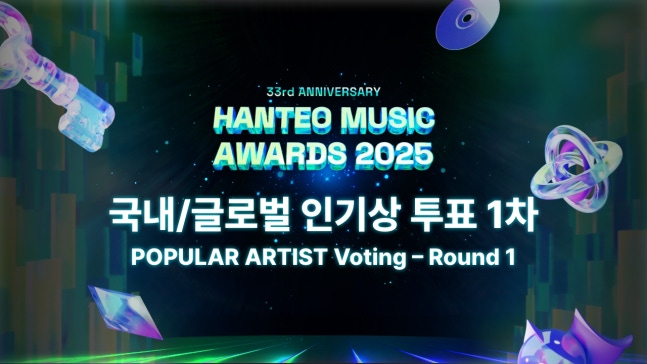
HMA 2025 Popularity Vote: What Fans Need to Know
Hanteo Music Awards just kicked off voting for the Popularity Award categories, and it's already heating up. The vote runs across three rounds from January to February, with 80 artists competing including SEVENTEEN, BTS, TWICE, and more. Here's what you need to know about how the voting actually works.
HMA 2025 Popularity Vote: What Fans Need to Know
The Hanteo Music Awards 2025 just made it official: the battle for the Popularity Award is on. Starting January 5th, fans can vote across three platforms—Whosfan, Mubeat, and Fancast—until February 7th. This isn't just another award show voting cycle. The way HMA structured this reveals something interesting about how the industry is thinking about fan engagement right now.
How the Three-Round Voting System Actually Works
Here's what makes this different from your typical one-shot voting: HMA split the voting into three separate rounds. First round starts January 5th, second round hits January 16th, and the final push is January 27th. The weighting matters—a lot. Your votes in rounds one and two each count for 30 percent of the final score, but that last round? It's worth 40 percent.
Why does this matter? Because it means late-stage momentum actually wins. If your group is climbing in week three, that 40-percent weighting could genuinely shift things. Fandoms are already calculating strategies around this, and honestly, it's kind of genius from the organizers' perspective. It keeps engagement high across the entire voting period instead of everything exploding on day one.
The final voting round counts for 40 percent—late-stage momentum could genuinely change the outcome.
The 80 Artists In the Running
The candidate pool is massive: 80 artists who released music in 2025. We're talking about the obvious heavy hitters like BTS, BLACKPINK, TWICE, and SEVENTEEN alongside newer groups like IVE, NewJeans, STRAY KIDS, and FIFTY FIFTY. But there are also solo artists—IU, Rosé, G-DRAGON, J-Hope—plus groups you might not immediately think of when you hear "K-pop."
This is the interesting part: the selection wasn't arbitrary. Hanteo pulled these 80 names based on objective data from their own chart. If a group made noise on the Hanteo Chart in 2025, they're on the list. That means every single artist here actually earned their spot based on streaming, sales, and chart performance. No mysterious exclusions, no unexpected snubs—just data-driven selection. For fans, that's actually pretty transparent.
Why This Vote Matters Beyond Just Bragging Rights
Here's the thing about HMA: it's run by Hanteo Global, the company behind the actual Hanteo Chart. This isn't some random awards show throwing together a popularity vote. When Hanteo says "this is based on objective chart data," they're putting their credibility where their mouth is. And this year, they partnered with MBN, a major Korean broadcast network, to make it bigger.
The ceremony itself happens February 15th, 2026, at Seoul's Olympic Gymnastics Arena. That's a real venue with real production value. This is a mainstream awards show, not just a fan-voted internet thing. When your group wins a Hanteo popularity award, it actually means something in the Korean music industry conversation.
Hanteo isn't just counting votes—they're backing it with chart data that actually reflects real listener engagement.
What Fandoms Are Already Planning
By now, if you're in any major fandom, you've probably seen the spreadsheets. Seventeen fandoms are organizing. ARMY is mobilizing. Once fandoms realized the weighting structure, they started planning voting cascades. Some are front-loading their votes early to build momentum, while others are saving ammunition for that crucial third round.
The smartest strategy? Consistent voting across all three rounds. One-time voters won't cut it here. HMA basically built in incentives for sustained fandom engagement, which means the next six weeks are going to be wild for anyone tracking K-pop community activity.
The Bigger Picture
This voting structure tells you something about where the industry is heading. Awards shows are learning that pure jury voting feels outdated. Fan voting feels democratic. But pure fan voting can feel chaotic and dominated by whoever has the biggest social media army. Mixing objective chart data with fan voting? That's the middle ground. It's saying: “We trust fans, but we're also grounding this in reality.”
For the next six weeks, this is going to be a constant background hum in K-pop fandom spaces. Voting threads will multiply. Spreadsheets will get more elaborate. This is what modern fandom engagement looks like—organized, strategic, and honestly kind of fascinating to watch.
Alex Chen
Cultural analyst with deep insights into K-content and industry trends. Known for thoughtful essays that blend criticism with accessibility.
Contact AlexLatest Articles

Lee Joo-bin’s “Spring Fever” Era Hits Different — Former DSP Trainee Turns tvN’s New Romcom Into a Breakout Moment
SAY MY NAME’s “&Our Vibe” Opens 2026 With a Career-High Week 1 — “UFO (ATTENT!ON)” Hits No.1 on Hanteo + Bugs
Moon Sang-min’s Prince Lee Yeol Goes Viral in KBS2 “To My Beloved Thief” — Viewership Climbs to 4.5%
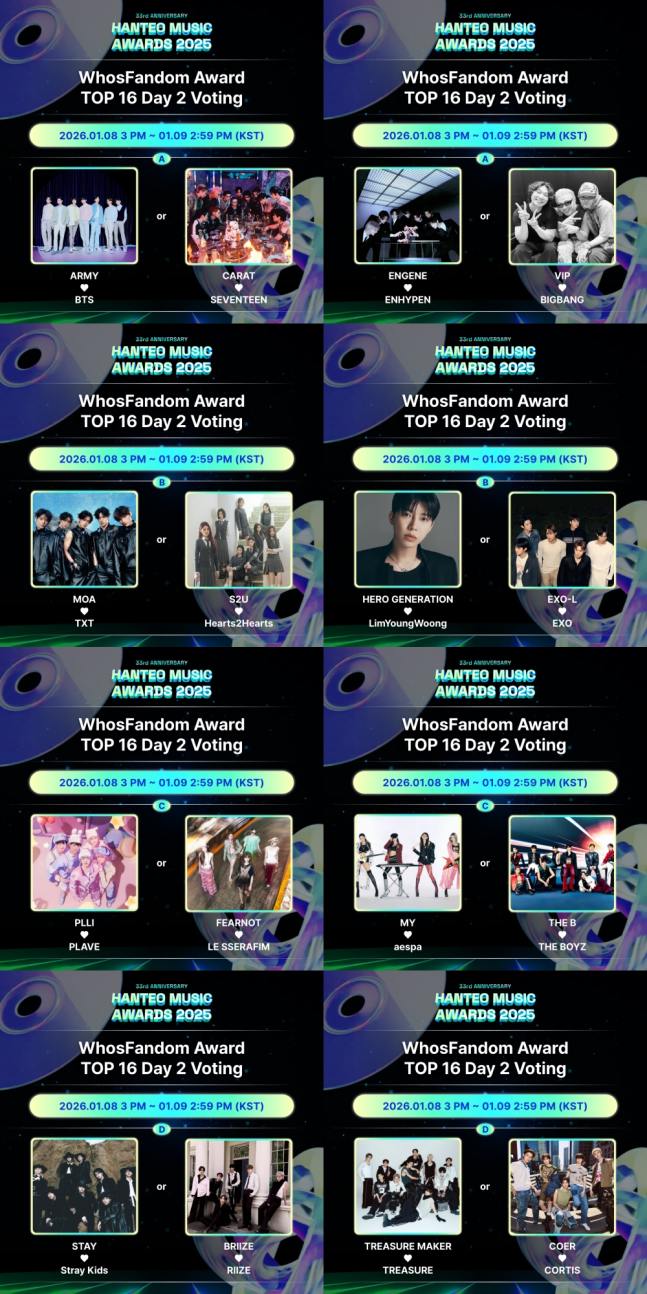
Hanteo Music Awards 2025 “Who’s Fandom” Round 2 Bracket Drops — ARMY vs Carats Headlines the Top 16