
Why CNBLUE’s New Album Signals a Quiet Power Shift in K-Pop
CNBLUE just dropped their third studio album 3LOGY with all self-written tracks, and it signals something bigger than a comeback. This is about a band refusing to chase trends while the industry shifts around them.
The Comeback That Wasn’t Just a Comeback
At first, it looked like another January release. New album, press photos, familiar faces.
But once fans pressed play, it became clear that CNBLUE’s return wasn’t operating on the usual K-pop rules. On January 7, the band released 3LOGY, their third full-length album—and what stood out immediately wasn’t the sound, but the intent behind it.
This wasn’t a comeback built around trends or timing. It was a statement about ownership.
Every track on 3LOGY was written by the band members themselves, with co-producer credits included. In an industry increasingly shaped by external hitmakers, CNBLUE chose full creative control—and that choice is what makes this album matter more than it seems.
What Fans Are Actually Talking About
The pre-release track “Still, a Flower” arrived on New Year’s Day like a quiet reassurance, instantly framed by fans as a healing song. But the title track “Killer Joy” shifts the energy completely.
Built as a dramatic pop-rock track, it’s designed for live performance—dynamic builds, sharp transitions, and a chorus meant to hit harder on stage than on streaming platforms. Fans aren’t just reacting to new music; they’re reacting to the implication: deeper tour setlists, stronger live arrangements, and a band that knows exactly how it wants to be experienced.
"We focused on ourselves this time, not the public. This album shows CNBLUE's true inside."
Leader Yonghwa’s comment functions as the album’s thesis. While many veteran acts chase relevance by adapting outward, CNBLUE turned inward instead.
The Deeper Strategy at Play
CNBLUE debuted in 2010. Sixteen years later, they’ve outlasted multiple trend cycles—the EDM wave, genre-fusion experiments, algorithm-driven hooks.
Rather than reacting to each shift, the band built what they describe as a system. Each member contributed songs with distinct musical colors, not to compete, but to create balance.

Minhyuk explained it simply: “The three of us create a system where balance and harmony exist.” It’s a philosophy that treats difference as structure, not conflict—something many long-running groups struggle to sustain.
Why This Matters for K-Pop Right Now
There’s an ongoing conversation in Korean music about longevity. Idol groups are expected to evolve nonstop, collaborate globally, stay hyper-visible, and constantly reinvent.
3LOGY pushes back against that exhaustion. It argues that relevance doesn’t always come from change—it can come from refinement.
Over the past year, CNBLUE dominated university festivals and major live stages not through viral moments, but through performance. This album is designed to amplify that strength. It doesn’t chase attention; it rewards the audience that shows up.
The Unspoken Contract With Fans
Each member spoke directly to fans, crediting them as the reason the band continues. But the tone is different from rookie promises or comeback pledges.
They aren’t promising chart domination or short-term hype. They’re promising continuity—growth, honesty, and more shows.
"Our fans are our reason for existing and our driving force."
At year sixteen, the stakes are no longer about survival. They’re about meaning. 3LOGY isn’t trying to prove CNBLUE still exists. It’s proving why they still matter.
What’s Next
The 3LOGY world tour begins soon, backed by a setlist built with intention. Fans won’t just hear new songs—they’ll see the result of a band that refused to be reshaped by industry pressure and instead reshaped itself.
In a K-pop landscape dominated by dramatic comebacks and constant reinvention, CNBLUE’s approach feels quieter—and maybe more radical. Keep making music you believe in. Let the audience come to you.
Ten tracks say that strategy still works.
Alex Chen
Cultural analyst with deep insights into K-content and industry trends. Known for thoughtful essays that blend criticism with accessibility.
Contact AlexLatest Articles

Breaking: Han Ga-in’s Romance Fantasy Makeup Transformation Goes Viral — 45 and Redefining Beauty Standards Overnight
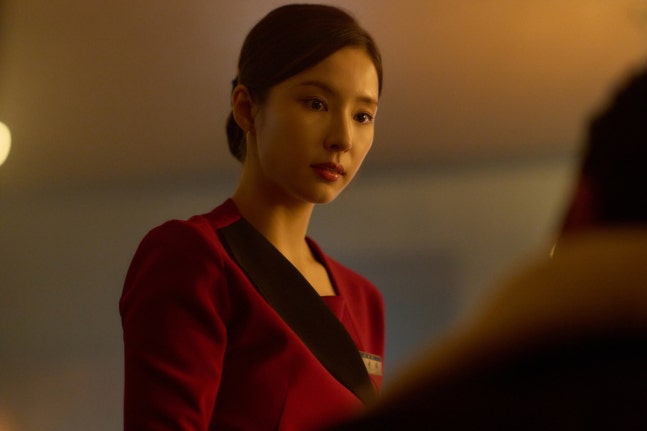
Shin Se-kyung Returns to Film in Ryu Seung-wan’s Spy Thriller “Humint” — First Major Big-Screen Role Since 2014, Release Set for Feb 11, 2026

AxMxP's Comeback Just Changed Everything—Here's Why

Lee Joo-bin’s “Spring Fever” Era Hits Different — Former DSP Trainee Turns tvN’s New Romcom Into a Breakout Moment
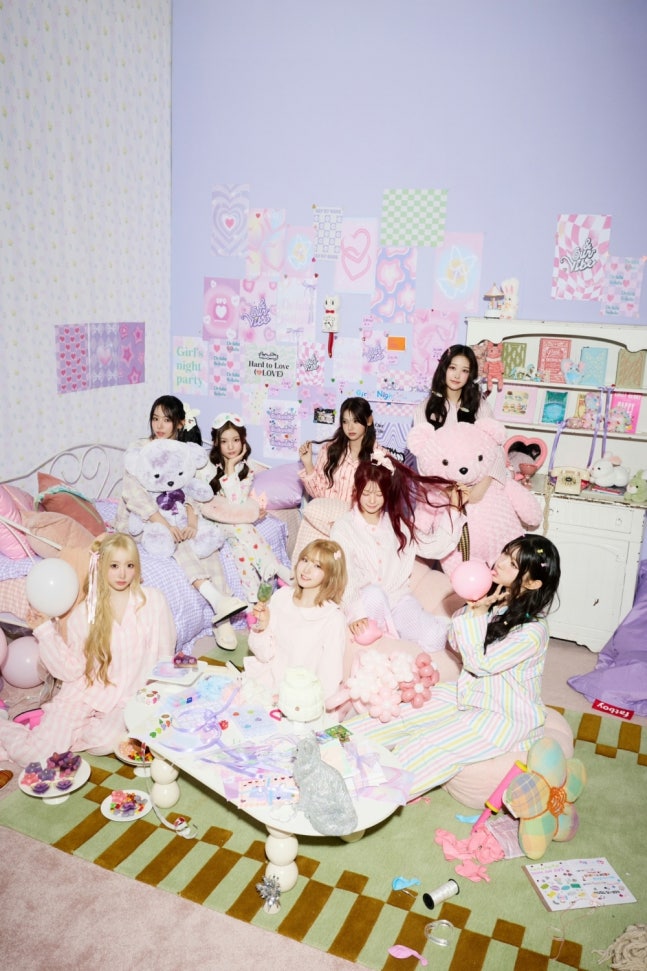
SAY MY NAME’s “&Our Vibe” Opens 2026 With a Career-High Week 1 — “UFO (ATTENT!ON)” Hits No.1 on Hanteo + Bugs
⭐COMEBACK Must-Read Stories

What Fans Need to Know About CNBLUE's 3LOGY Comeback
What Fans Need to Know About CNBLUE's 3LOGY Comeback
CNBLUE just dropped their third full album 3LOGY with all self-written tracks and they're about to go on a world tour. Every member opened up about how they crafted this comeback and what it means for them after 17 years in the industry.

What Fans Are Noticing About KiiiKiii’s ‘Delulu Pack’ Comeback
What Fans Are Noticing About KiiiKiii’s ‘Delulu Pack’ Comeback
Kiikii is making their mini 2nd album return on January 26 with a concept that's genuinely clever. The group just dropped a calendar-style visual teaser that shows twelve different versions of themselves, one for each month, and it's already got people talking about what this whole 'Delulu' concept really means.

Why Forbes Is Paying Attention to CNBLUE’s Comeback — and Why That Actually Matters
Why Forbes Is Paying Attention to CNBLUE’s Comeback — and Why That Actually Matters
CNBLUE's pre-release track 'Still, a Flower' caught the attention of Forbes, signaling something bigger happening in K-pop right now. With a full album dropping January 7th and a string of international wins already under their belt, the band is proving that longevity in this industry means something.