
Jimin’s ‘WHO’ Just Rewrote K-pop History—Without Features, Without Help
Jimin's solo track 'WHO' became the best-selling song by a male K-pop artist in the US during 2025, and fans are celebrating what makes this achievement truly special: he did it completely alone, no Western collabs, no industry pushes. This is what that really means.
The Achievement That Feels Different
Some hits feel engineered. This one didn’t.
When Jimin’s “WHO” was named the best-selling song by a male K-pop artist in the U.S. for all of 2025, fans didn’t react with shock. They reacted with recognition.
Because this didn’t happen through features, industry shortcuts, or crossover tactics. It happened because people kept choosing the song—again and again.
The Achievement That Feels Different
There’s a specific kind of pride that comes from watching something succeed on its own terms.
Released in July 2024 as the title track of his second solo album MUSE, “WHO” never relied on a momentary spike. It grew steadily—even while Jimin was serving his mandatory military service.
No active promotions. No surprise collaborations. Just organic momentum built entirely on listener connection.
What Fans Are Actually Celebrating
When the news broke, fan reactions focused on one thing: how this was achieved.
No Western feature artists. No industry-driven crossover strategy. No calculated alignment with trends dominating U.S. radio.
No industry push. No Western collaborations. Just one song connecting with millions.
Fans framed it as proof—not of dominance, but of trust. Trust between artist and audience. One fan summed it up perfectly: this wasn’t success given. It was success chosen.
The Numbers Behind the Pride
The achievements behind “WHO” are historic.
The song recorded 500 consecutive days on Spotify’s U.S. chart—making it the first and only K-pop track to ever reach that milestone.
In 2025, it also entered Amazon’s U.S. Digital Song Bestseller list, contributing to a total of 15 cumulative entries. He is now the first and only K-solo artist to chart multiple times across different years on that list.
On Billboard’s Hot 100, “WHO” charted for 14 consecutive weeks—setting the record for the longest run by a K-pop solo artist in 2024. On the Global 200 chart, it remained present for 26 straight weeks.
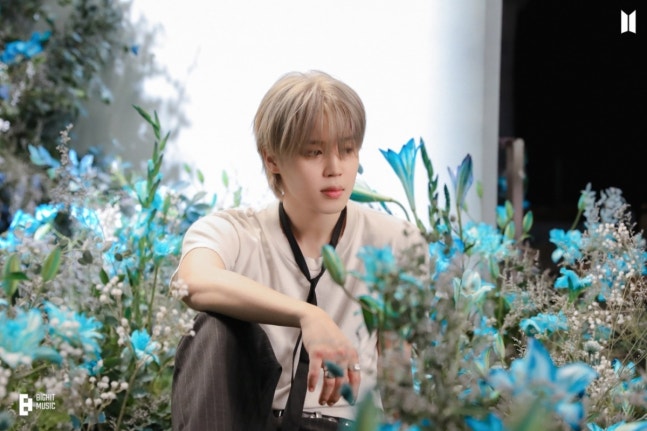
Each number represents something simple but powerful: someone pressing play.
Why “WHO” Refuses to Age
One fan observation captured it best.
They described “WHO” as a song that works in every emotional state—single, in love, heartbroken, or just existing.
That’s why it lasts.
The song isn’t attached to a trend, a challenge, or a viral format. It carries a romantic emotional tone that feels both modern and timeless. Listeners don’t outgrow it—they return to it.
More than a year after release, it continues to rank among top sellers, not because it’s pushed, but because it fits.
What This Moment Actually Means
For years, K-pop discussions have circled around authenticity versus machinery.
“WHO” landing as the top-selling male K-pop song in the U.S. in 2025—without any of the usual industry accelerators—feels like an answer.
Fans aren’t celebrating competition. They’re celebrating confirmation: that real connection still matters.
That a song can travel this far, this long, purely because people want it to.
And maybe that’s the quiet power of this achievement—not just that success happened, but that it happened without compromising the intention behind the music.
Maya Park
Thoughtful Gen-Z journalist who captures fan emotions with calm reflection. Known for turning feelings into meaningful stories.
Contact MayaLatest Articles

Lee Joo-bin’s “Spring Fever” Era Hits Different — Former DSP Trainee Turns tvN’s New Romcom Into a Breakout Moment
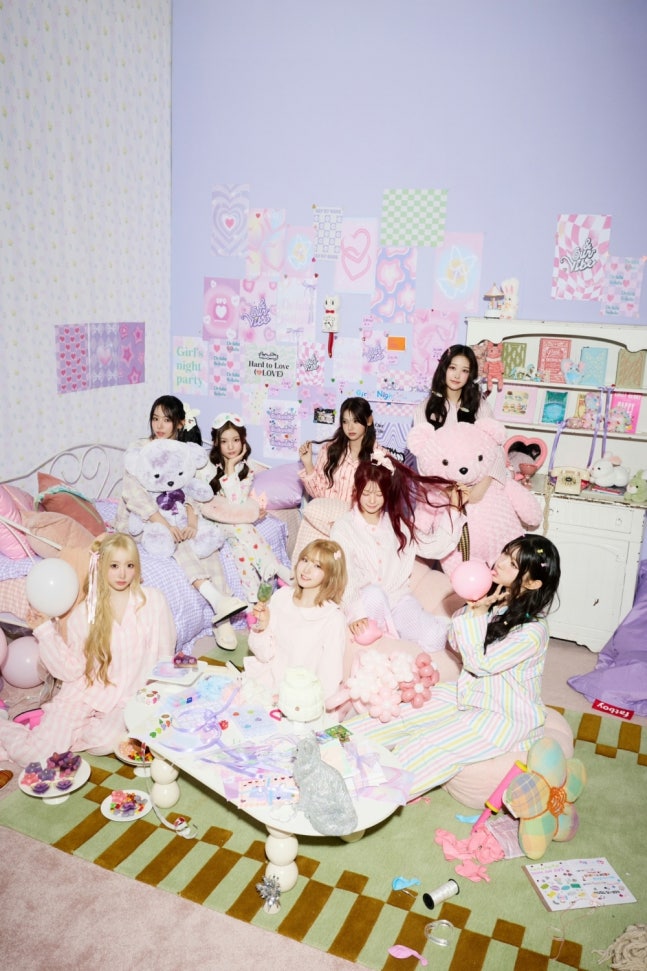
SAY MY NAME’s “&Our Vibe” Opens 2026 With a Career-High Week 1 — “UFO (ATTENT!ON)” Hits No.1 on Hanteo + Bugs

Moon Sang-min’s Prince Lee Yeol Goes Viral in KBS2 “To My Beloved Thief” — Viewership Climbs to 4.5%
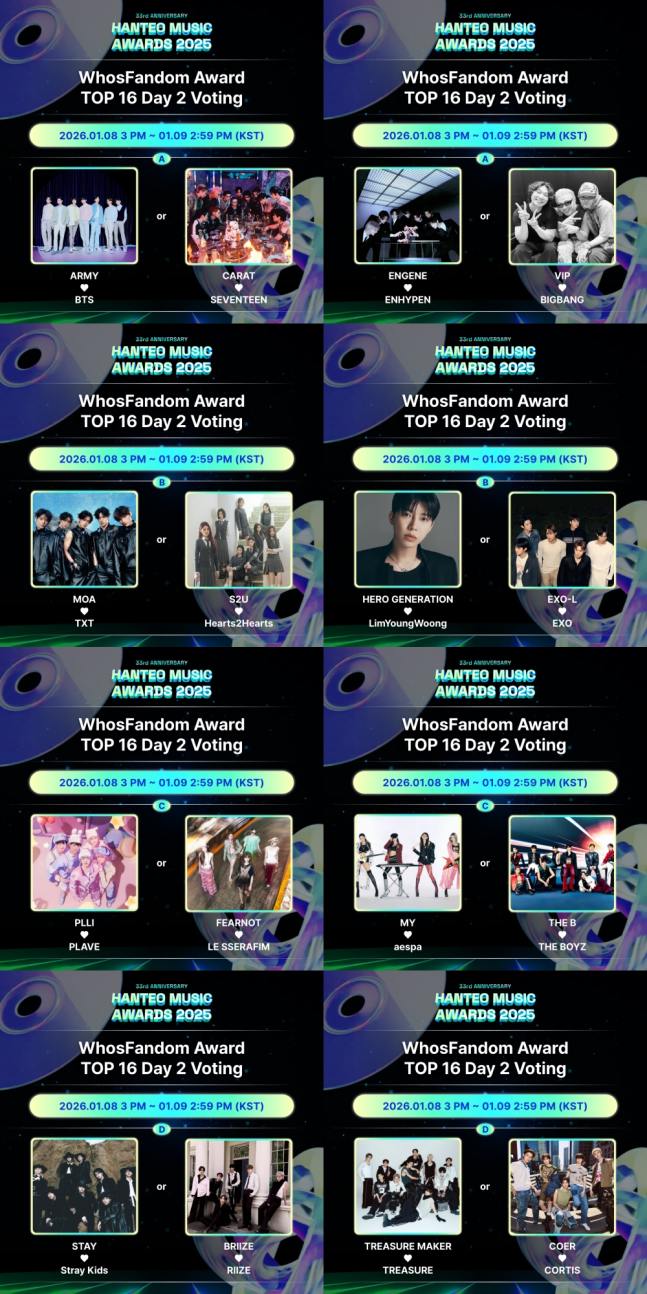
Hanteo Music Awards 2025 “Who’s Fandom” Round 2 Bracket Drops — ARMY vs Carats Headlines the Top 16
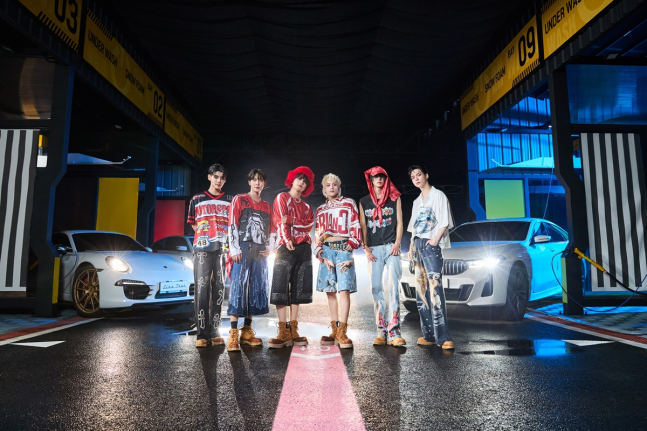
WAKER Marks 2nd Anniversary With “In Elixir : Spellbound” — The “LiKE THAT” Pivot, Explained
⭐BTS Must-Read Stories

Why Jungkook's Restraining Order Isn't Stopping Stalkers
Why Jungkook's Restraining Order Isn't Stopping Stalkers
BTS Jungkook is dealing with serious stalking issues again. A Brazilian woman was arrested for violating a 100-meter no-contact order, marking the fourth stalking incident in just over a year. Fans are asking: what's actually being done to protect him?

aespa’s Winter Shares Birthday Photos as Dating Rumors Continue
aespa’s Winter Shares Birthday Photos as Dating Rumors Continue
aespa's Winter celebrated her birthday with behind-the-scenes photos, but the internet is more focused on the ongoing dating speculation with BTS's Jungkook. The couple tattoo theory and matching fashion choices have fans analyzing every detail.

BTS Confirms March 20 Comeback
BTS Confirms March 20 Comeback
BTS officially announced their March 20 comeback with a full album after nearly four years, but this isn't just about new music. The way they revealed it through handwritten letters shows a strategic shift in how they're rebuilding connection with ARMY during an unprecedented industry moment.