MBC’s “Judge Lee Han-young” Premieres With a High-Stakes Revenge Courtroom
MBC's new Friday-Saturday drama introduces a time-loop thriller where a corrupted judge gets a second chance to take down the system that made him. Three actors, one courtroom, and a tension that feels different from every legal drama you've watched before.
When Power, Guilt, and Revenge Share the Same Room
Time-travel dramas usually promise second chances. Courtroom dramas usually promise justice. But when those two ideas collide, the result isn’t comfort — it’s tension. That’s the space “Judge Lee Han-young” steps into, and it’s why the premiere immediately felt different.
For K-drama fans used to clear heroes and villains, this setup feels unsettling in the best way. No one here is innocent. Everyone has history. And every decision carries the weight of what already went wrong once.
The Premise That Got Everyone Talking
When a drama announces it's about a judge going back ten years in time, most people think they know what's coming. But “Judge Lee Han-young” isn't just another redemption story. It's about a man who was complicit in a corrupt legal system suddenly getting the power to dismantle it from within. That's a different energy entirely.
The show premiered on January 2nd on MBC, and the setup is deliberate: Lee Han-young was a willing tool of a massive law firm, making rulings that favored the powerful. Then he gets pulled back a decade and gets to choose differently. Except this time, he's not alone in the courtroom.
Why This Casting Matters More Than You Think
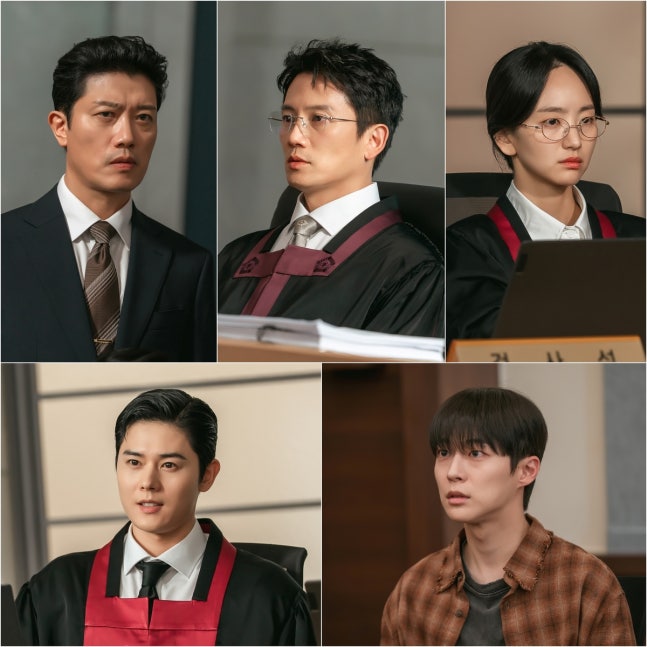
Ji Sung as Lee Han-young isn't playing a hero. He's playing a man who made terrible choices and is now using that knowledge of corruption as a weapon. That's textured casting. Park Hee-soon as Chief Justice Kang Shin-jin isn't just a villain either — he's someone who genuinely believes his abuse of power is justified. And Won Jin-ah as prosecutor Kim Jin-ah isn't simply fighting for justice; she's sharpening revenge over what happened to her father.
The three of them in one courtroom creates what the show frames as a three-sided standoff. Fans are already noticing how the stills show all three with the same intensity in their eyes — not allies, not opposites, but competing forces. That’s not accidental. It’s structural.
The Real Draw: A Courtroom That Feels Dangerous
Legal dramas usually work because we know who to root for. This one refuses that comfort. Lee Han-young is fighting corruption using the same insider knowledge that once made him corrupt. Kang Shin-jin enforces his own version of justice, making him more unsettling than a straightforward antagonist. Kim Jin-ah pursues truth, but her pursuit is sharpened by personal loss.
The convergence of these three on the same case isn’t convenient plotting. It’s the drama asking a real question: can a corrupt system be dismantled by someone who benefited from it — or does that simply create a new version of the same power structure?
What Fans Are Already Picking Up On
The courtroom still has become a focal point for analysis. Three figures. Equal footing. Different forms of control. Lee Han-young’s cold calculation, Kang Shin-jin’s calm dominance, Kim Jin-ah’s restrained fury. The tension works because it doesn’t shout.
Supporting characters are also being noticed early. Kim Dong-joon’s prosecutor Kang brings emotional friction and chemistry into the mix, while Bae In-hyuk’s theft suspect hints at a deeper secret tied into the larger system. These roles don’t feel ornamental. They feel strategic.
The Bigger Picture: Why This Type of Drama Matters Right Now
Time-loop stories and legal dramas are familiar genres. But combining them to interrogate power, accountability, and moral compromise feels timely. This isn’t about whether Lee Han-young wins his cases. It’s about whether someone shaped by a broken system can truly fix it.
For viewers used to clean resolutions, the drama asks something harder: what if justice isn’t pure? What if everyone in the courtroom has a claim — and a flaw?
The premiere has set the board. The real test now is whether the series can sustain this three-way tension without collapsing into easy answers.
Alex Chen
Cultural analyst with deep insights into K-content and industry trends. Known for thoughtful essays that blend criticism with accessibility.
Contact AlexLatest Articles


