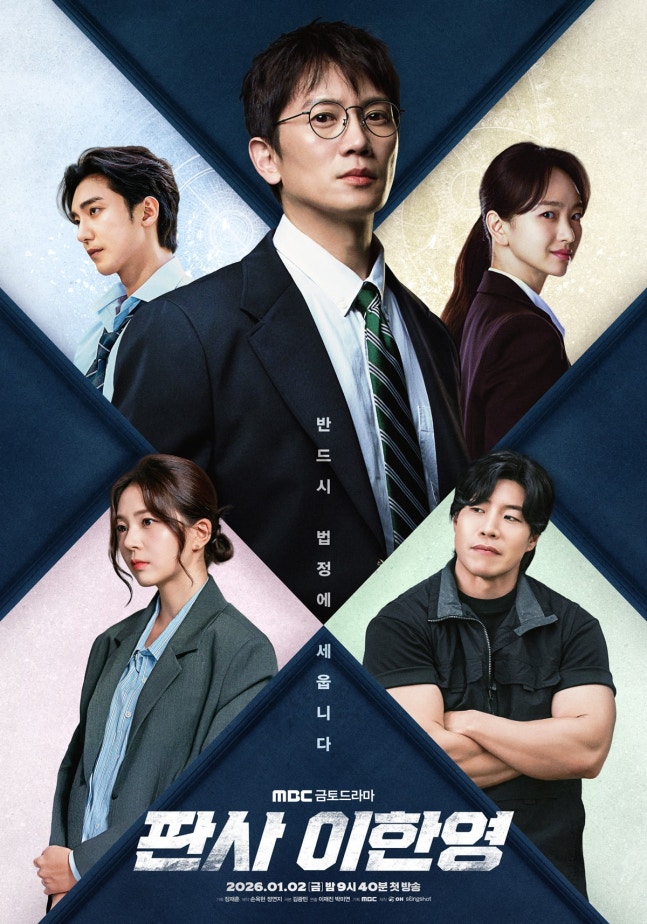
Why Ji Sung's MBC Return Matters After 11 Years
Ji Sung is back on MBC for the first time since 2015, and it's not just a comeback—it signals a shift in how networks are betting on established actors. Here's what you need to know about Judge Lee Han-young and why fans are already hyped.
The Comeback That Actually Means Something
When we talk about comebacks in K-drama, we usually mean idols returning to music or actors taking on new projects. But Ji Sung's return to MBC with Judge Lee Han-young (premiering January 2, 2026) is different. This isn't just another drama—it's an 11-year gap filled with deliberate strategy.
The last time Ji Sung worked with MBC was Kill Me, Heal Me in 2015. That's more than a decade. In that time, he's become selective about his projects, which makes his choice to return to broadcast television—not streaming, not cable—genuinely significant. Networks don't usually get A-list actors to commit to their flagship slots anymore. When they do, it means something.
The Genre Gamble: Time Travel Meets Courtroom Drama
Judge Lee Han-young isn't playing it safe. The premise mixes two genres that don't always work together—regression (time travel) and legal drama. The story follows a judge who's spent 10 years as a corporate law slave, only to get sent back to the past and choose a different path. This time, he fights corruption.
Director Lee Jae-jin, who helmed the production, was clear about the vision: "People expect the judiciary to deliver justice. We wanted viewers to feel that satisfaction." In a world where legal dramas often explore gray areas and moral ambiguity, this one promises something more direct—the catharsis of actually seeing corrupt people get punished.
For teens watching, this hits different. You grow up skeptical about systems. A drama that shows someone actively dismantling corruption from inside? That's the fantasy version of justice you actually want to see.
The Cast: Quality Over Hype
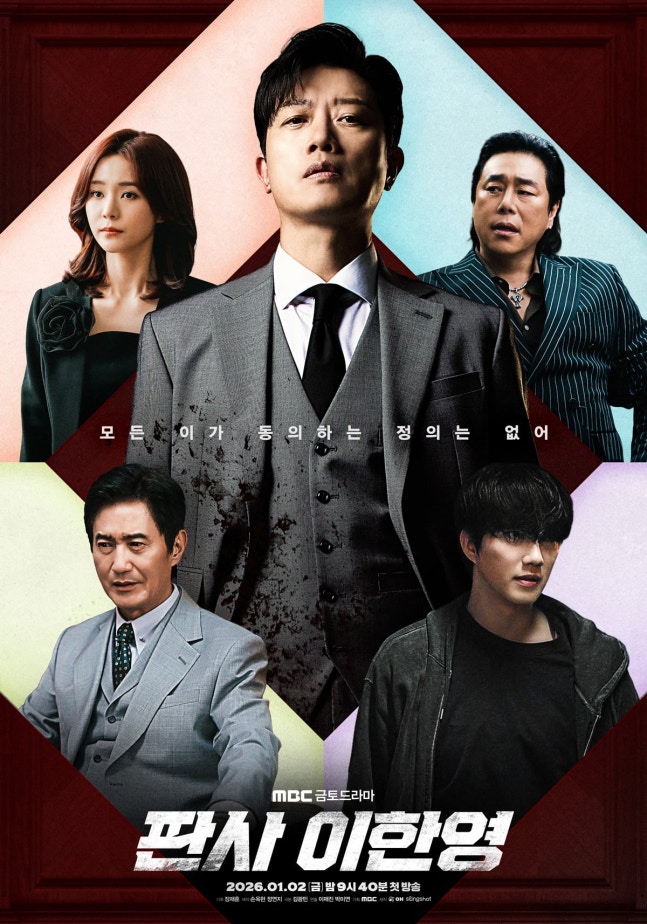
Beyond Ji Sung, the ensemble is strong. Park Hee-soon plays Kang Shin-jin, described by the director as an actor who brings "style" even to morally twisted characters. Won Jin-ah rounds out the lead roles as Kim Jin-ah, bringing what the director called a "underdog giant energy" to the cast.
This matters because MBC clearly isn't trying to trend on social media with viral moments. They're building a show with acting depth. Ji Sung is known for taking on complex psychological roles—Kill Me, Heal Me was basically him carrying an entire show about dissociative identity disorder. Pairing him with skilled character actors suggests the network trusts the material itself, not just the names attached.
The Timing Question: Why Now?
Here's what's interesting from an industry perspective. Broadcast networks in Korea have been losing ground to streaming services for years. Your friends probably watch stuff on Netflix, not MBC. So why would Ji Sung commit to a Friday-Saturday slot on a broadcast network?
The answer might be about wanting something different than what streaming offers. Broadcast dramas still have this old-school quality—they unfold weekly, they build anticipation, they create a shared moment for audiences. In an era of binge-everything, that slower burn appeals to certain actors and creators.
The web novel and webtoon source material also suggests the writers understood they were adapting for a specific kind of audience. These are stories that already have engaged fan bases online. Converting that into broadcast viewership is a calculated move.
What Fans Are Actually Talking About
If you've scrolled through K-drama fan spaces, you've probably noticed something: people are genuinely curious about whether this works. The premise could fall flat. A regression story needs careful pacing or it becomes confusing. A legal drama needs good writing or it becomes preachy. Combining both requires precision.
But here's why people are leaning in: Ji Sung has earned the benefit of the doubt. He consistently chooses projects with something to say. This isn't a vanity project or a paycheck role. He's returning to MBC for a reason, and the network is treating it like a statement piece, not just another Friday drama.
The Bigger Picture
Judge Lee Han-young premiering right now matters because it's a small sign that broadcast networks haven't completely lost their pull. They can still attract serious actors. They can still try genre-bending concepts. They can still create the kind of shared cultural moment that streaming, for all its convenience, sometimes struggles to replicate.
Whether the show lands critically or becomes a ratings hit remains to be seen. But the fact that it exists—that an established actor is willing to bet on broadcast television in 2026—says something about where K-drama is heading. Maybe not everything has to be optimized for global audiences or designed for algorithmic discovery. Maybe some stories still deserve the traditional broadcast treatment.
Tune in January 2 if you want to see how this gamble pays off.
Alex Chen
Cultural analyst with deep insights into K-content and industry trends. Known for thoughtful essays that blend criticism with accessibility.
Contact AlexLatest Articles


