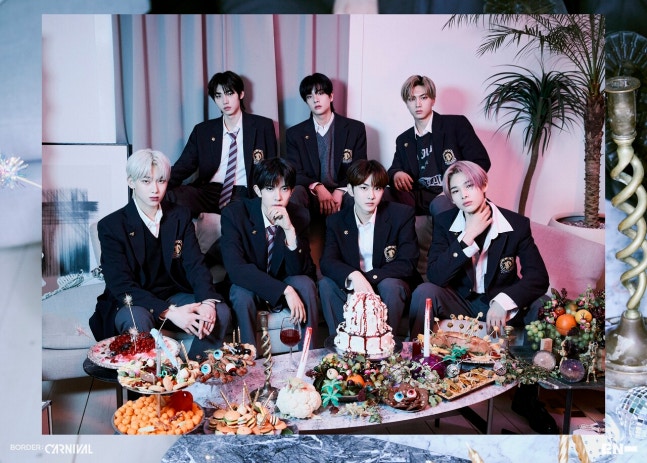
How ENHYPEN Built a Vampire Empire—and Rewrote the Rules of K-pop Storytelling
ENHYPEN's five-year narrative arc from confusion to desire isn't just a concept—it's a masterclass in fan engagement that turned a rookie group into global superstars. We break down how their dark fantasy storytelling actually works.
The Blueprint Nobody Expected
When ENHYPEN debuted in 2020, most people expected strong performances, sharp visuals, and fast growth. What almost no one predicted was that the group would spend the next five years quietly building one of K-pop’s most coherent and immersive narrative universes.
This wasn’t just a “concept.” It was long-form storytelling. What began as subtle vampire imagery in their debut track Given-Taken — a single line about “white fangs” — expanded into a dark fantasy mythology that shaped their music, visuals, and relationship with fans. The result wasn’t distance or abstraction. It was intimacy.
Every chapter reflected emotions fans were already living through: confusion, identity crises, desire, loneliness, and the need to belong. That’s why ENHYPEN’s audience didn’t just follow the story. They recognized themselves inside it.
Act One: Finding Yourself in the Chaos
The first three eras — Border, Dimension, and Manifesto — weren’t selling fantasy for fantasy’s sake. They were selling self-discovery. Crossing borders, falling into unfamiliar dimensions, confronting internal conflict — these weren’t abstract ideas. They mirrored the emotional instability of growing up.
The vampire symbolism was layered carefully. In tracks like Fever, lines about hearts “thirsting for blood” sounded romantic at first, then unsettling on repeat listens. This duality allowed the music to function on two levels: accessible pop and evolving narrative. Few groups manage both at once.
"The genius isn’t the vampire concept itself. It’s making fans feel like they’re inside something mysterious and still unfolding."
Act Two: When Fans Became the Story
The real shift came with the Blood series. At that point, ENHYPEN stopped telling a story about vampires and started telling a story with their fans. The “you” in the lyrics wasn’t symbolic anymore — it meant ENGENE.
In this universe, the vampire survives because someone believes, desires, and stays. Fans weren’t observers. They were the engine.
The impact was measurable. Across the Blood, Romance, and Desire series, all five releases surpassed one million first-week sales. Three became double million-sellers. Romance: Untold reached triple million-seller status. Those numbers don’t come from hype alone. They come from emotional investment.
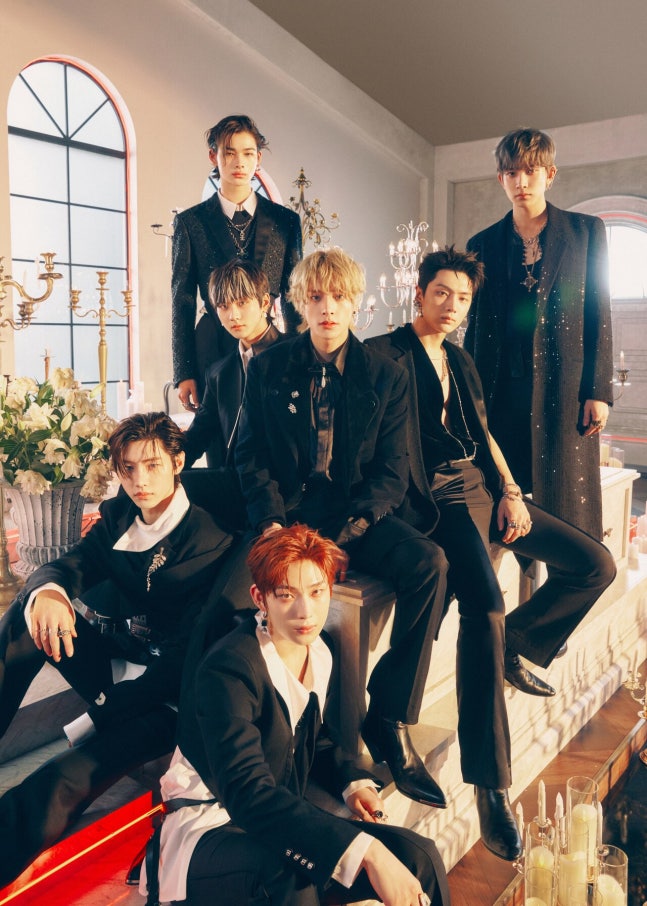
Why This Matters Beyond K-pop
What ENHYPEN proved is something the wider entertainment industry is still learning: fandoms want participation, not just consumption. Each album felt like a new chapter fans had helped unlock.
That’s why anticipation around the next mini-album, The Sin: Vanish, feels different. The concept — forbidden love breaking through social boundaries — isn’t just a theme. It’s a continuation. Fans aren’t waiting to hear new songs. They’re waiting to find out what happens next.
Early signals suggest the release is designed as a fully connected experience — album, music video, visuals, and promotion all interlinked. This isn’t casual listening. It demands engagement.
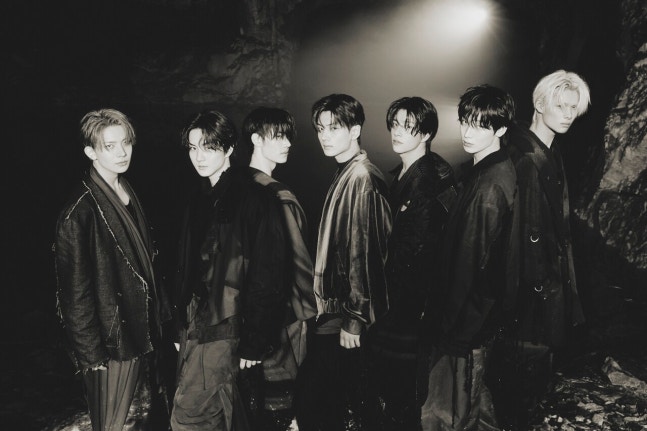
The Real Question
ENHYPEN’s rise wasn’t built on viral moments or individual popularity spikes. It was built on narrative architecture. In an era of fragmented attention, they showed that a cohesive story can generate deeper, longer-lasting loyalty than any single hit.
Other groups are now studying this model. But the real test lies ahead. Can this mythology continue evolving without becoming formulaic? Will fans follow wherever the story goes next? And can this level of narrative intimacy actually be replicated — or does it only work once, when timing, trust, and audience alignment all collide?
That question matters just as much as the next chart record. Because what ENHYPEN built isn’t just a concept. It’s an empire sustained by belief.
Alex Chen
Cultural analyst with deep insights into K-content and industry trends. Known for thoughtful essays that blend criticism with accessibility.
Contact AlexLatest Articles

Kim Hye-yoon Reinvents the Gumiho Myth With a Rule-Breaking New K-Drama Heroine

Wanna One’s Surprise Reunion Sparks Real-Time Showdown Between Ha Sung-woon and Kang Daniel

Jimin’s ‘WHO’ Just Rewrote K-pop History—Without Features, Without Help

What Fans Noticed About Kim Woo-bin's Spain Honeymoon
